
Introduction
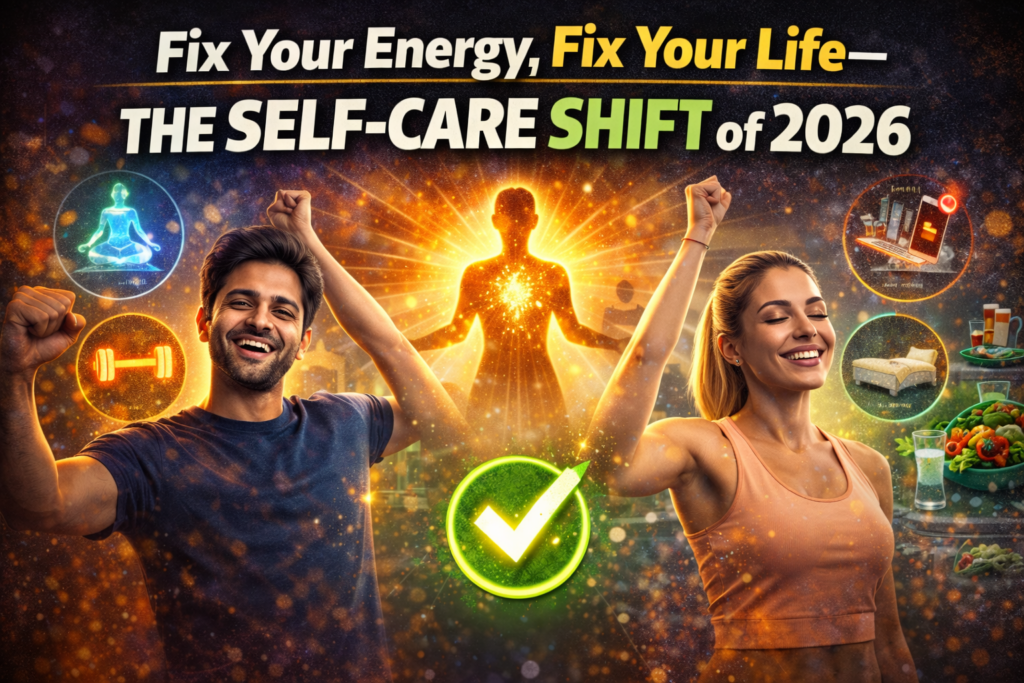
People often feel tired, stressed, and overwhelmed every day. However, it is not that they don’t have enough motivation; it is more that they don’t have enough energy. When people don’t have enough energy, they often find it hard to do even simple tasks. However, in 2026, people can try something called the Self-Care Shift that helps people focus on their energy levels through daily changes in their lifestyle
Why Energy Matters More Than Motivation
Many people think they need more motivation to be successful. What they really need is more energy. Motivation is fleeting, but energy is what gets your body and mind functioning at their best throughout the day.
If you have little energy, you may experience:
-
Difficulty focusing
-
Mood swings
-
Constant fatigue
-
Lack of productivity
-
Stress and irritability
But when you have more energy, you begin to see that everything is different. You think more clearly, you make better decisions, and you don’t feel like tasks are so hard. That is why the Self-Care Shift of 2026 focuses on energy management rather than constant productivity.
The Modern Energy Crisis
Today’s lifestyle often drains energy faster than people realize.
Think about a typical day:
-
Checking the phone immediately after waking up
-
Skipping breakfast
-
Sitting for long hours
-
Drinking multiple cups of coffee
-
Sleeping late at night
These habits slowly reduce physical and mental energy.
Common Causes of Low Energy
Many factors contribute to constant tiredness, including:
-
Poor sleep habits
-
High stress levels
-
Unhealthy eating patterns
-
Too much screen time
-
Lack of physical activity
In the end, these problems create a cycle in which individuals are tired but still work hard. However, in order to end this cycle, there needs to be a change in the way individuals think about self-care.
What Is the Self-Care Shift of 2026?
The Self Care Shift of 2026 is a new trend that is emerging as a means of safeguarding mental and physical energy.
Unlike traditional self-care ideas that focus only on relaxation, this approach emphasizes energy restoration and prevention of burnout.
Instead of asking:
“How can I do more?”
People are asking:
“How can I protect my energy so I can live better?”
This shift encourages habits that support:
-
mental clarity
-
emotional balance
-
physical health
-
sustainable productivity
Key Areas That Affect Your Energy
There are a number of key lifestyle factors that affect your energy level. Learning about these areas will allow you to see the areas in your lifestyle where you can have the greatest impact.
1. Sleep: The Foundation of Energy
Sleep is one of the most powerful ways to restore energy. When sleep quality is poor, the body cannot fully recover.
Signs of Poor Sleep
-
waking up tired
-
difficulty concentrating
-
irritability during the day
-
heavy reliance on caffeine
How to Improve Sleep
Simple habits can significantly improve sleep quality:
-
keep a consistent bedtime
-
avoid screens before sleep
-
reduce caffeine in the evening
-
create a quiet sleeping environment
Good sleep alone can dramatically increase energy levels.
2. Nutrition: Fuel for the Body
One of the major roles of food is to regulate energy levels. Processed foods have a tendency to give a quick energy boost followed by a drop. This is different from a balanced diet.
Energy-Supporting Foods
Include foods such as:
-
whole grains
-
fresh vegetables
-
fruits
-
lean proteins
-
healthy fats
Balanced nutrition helps maintain steady blood sugar levels, preventing sudden fatigue.
3. Movement: Natural Energy Booster
Exercise, although it may seem tiresome at first, actually helps to increase energy levels over time. Exercise helps increase the flow of blood and oxygen to the brain. Even minor activities can make a difference.
Examples include:
-
walking
-
stretching
-
cycling
-
yoga
Just 20–30 minutes of movement daily can significantly improve overall energy levels.
4. Stress Management
This is because chronic stress drains both mental and physical energy. Excessive cortisol is also produced in the body when there is high stress, and as a result, fatigue is experienced.
Effective Stress Relief Methods
Simple stress management techniques include:
-
deep breathing exercises
-
meditation
-
journaling
-
spending time in nature
These activities help calm the mind and restore mental clarity.
5. Digital Balance
Technology is good for us, but it can also drain our brain energy. We often don’t realize that it is affecting us so much.
Signs of Digital Fatigue
-
mental exhaustion after screen use
-
difficulty focusing
-
headaches or eye strain
-
reduced attention span
Taking regular breaks from screens allows the brain to recharge.
The Power of Small Self-Care Habits
One of the biggest misconceptions about self-care is that it requires large lifestyle changes. In reality, small consistent habits often produce the biggest results.
Examples of small habits include:
-
drinking more water
-
taking short walks
-
practicing gratitude
-
stretching during work breaks
-
going to bed 30 minutes earlier
Over time, these habits improve both physical and mental energy.
Practical Tips to Boost Your Energy Daily
If you want to apply the Self-Care Shift of 2026 in your life, here are some simple yet effective strategies:
1. Start the Day Without Your Phone
Some people start their day by looking at their notifications. This can start a stress response right off the bat. Start your day with the first 10-15 minutes of doing nothing.
2. Eat a Balanced Breakfast
Skipping breakfast often leads to low energy later in the day.
Choose foods that provide lasting energy such as:
-
eggs
-
oatmeal
-
fruit
-
yogurt
-
nuts
3. Take Short Breaks During Work
Working for long hours without breaks reduces focus and productivity.
Try the 50–10 rule:
-
work for 50 minutes
-
take a 10-minute break
Short breaks help maintain mental clarity.
4. Stay Hydrated
Even mild dehydration can cause fatigue and headaches. Drink water at regular intervals during the day.
5. Spend Time Outdoors
Natural light and fresh air can significantly improve mood and energy. Even a 10-minute walk outside can help reset your mind.
6. Protect Your Evening Routine
The way you end your day affects the next morning.
Create a relaxing evening routine that may include:
-
reading
-
light stretching
-
meditation
-
reducing screen time
A calm evening routine improves sleep quality.
Frequently Asked Questions (FAQs)
1. What is the Self-Care Shift of 2026?
The Self-Care Shift of 2026 is a lifestyle approach focused on protecting and improving daily energy through simple habits such as better sleep, balanced nutrition, and stress management.
2. Why do many people feel tired all the time?
Common reasons include poor sleep, unhealthy eating habits, high stress, lack of exercise, and excessive screen time.
3. Can small lifestyle changes really improve energy?
Yes. Small habits practiced consistently can significantly improve energy levels over time.
4. How important is sleep for energy?
Sleep is one of the most important factors affecting energy. Poor sleep often leads to fatigue, low focus, and mood changes.
5. Does exercise increase energy?
Yes. Regular physical activity improves blood circulation, reduces stress, and boosts overall energy levels.
6. How can I reduce digital fatigue?
Limit unnecessary screen time, turn off non-essential notifications, and take regular breaks from devices.
7. How long does it take to feel more energetic?
Many people notice improvements within a few weeks after improving sleep, nutrition, and daily routines.
Conclusion
Improving your life often starts with improving your energy. The Self-Care Shift of 2026 encourages simple habits like better sleep, balanced nutrition, regular movement, and stress management. These small changes may seem simple, but they can create powerful long-term results. When you protect your energy every day, you naturally build a healthier, happier, and more balanced life.
References
-
Harvard Health Publishing – The Link Between Diet and Hormones
https://www.health.harvard.edu -
World Health Organization (WHO) – Healthy Diet Guidelines
https://www.who.int/news-room/fact-sheets/detail/healthy-diet



Great content. The guidance is simple, effective, and actionable.
Professionally presented and very insightful.
This is genuinely helpful and backed by strong wellness principles.
This advice supports both physical and mental well-being beautifully.
Your health is your greatest investment — not an expense.
Scientifically sound tips delivered in such an easy-to-understand way.
Become our partner and turn clicks into cash—join the affiliate program today!
Earn up to 40% commission per sale—join our affiliate program now!