
Introduction
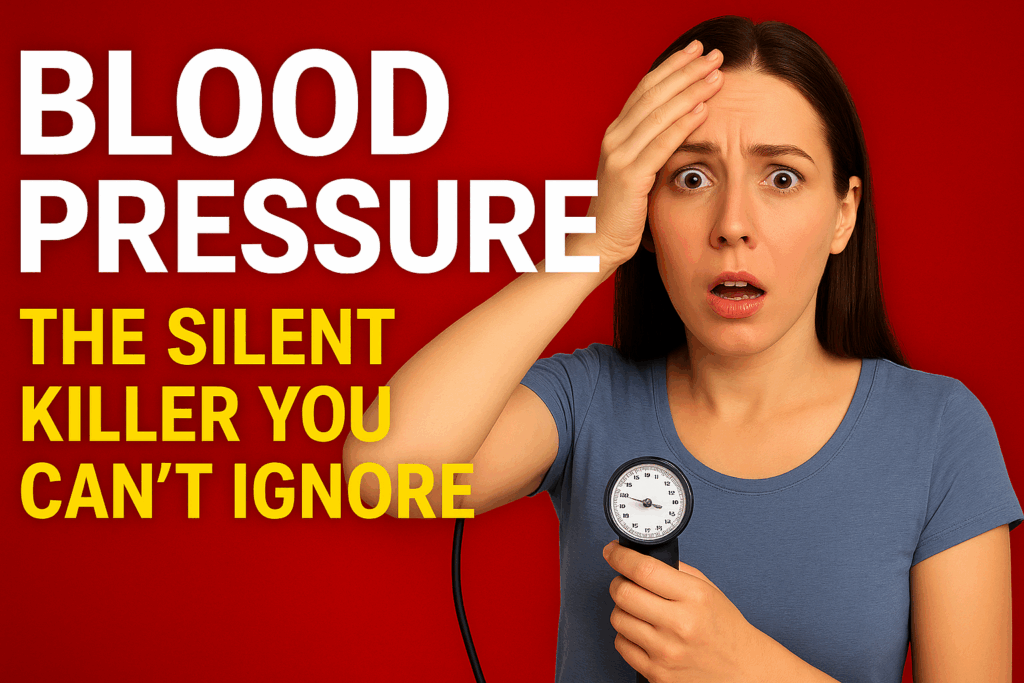
High blood pressure is often called the silent killer because it usually shows no clear symptoms. Many people live with it for years without realizing it, while it slowly damages the heart, blood vessels, and other organs. If left untreated, it can lead to serious health problems like heart attacks or strokes. Understanding blood pressure and monitoring it regularly is an important step toward protecting your long-term health.
In this article, we’ll explore:
-
What blood pressure really means
-
Why high blood pressure is dangerous
-
Causes and risk factors
-
A real-life experience with hypertension
-
Practical ways to control and prevent it
Knowing your blood pressure today can help you avoid serious health problems in the future.
What Is Blood Pressure?
Blood pressure is the force of blood pushing against the walls of your arteries as your heart pumps blood through your body. Every time your heart beats, it sends blood carrying oxygen and nutrients to your organs. Blood pressure readings include two numbers.
Blood pressure is the pressure exerted by the blood on the walls of your blood vessels as your heart pumps blood to the various parts of your body. Every time your heart beats, it pumps blood carrying oxygen and nutrients to your organs. Your blood pressure reading consists of two numbers.
Example:
120 / 80 mmHg
Systolic Pressure
The top number shows the pressure in the arteries when the heart beats.
Diastolic Pressure
The bottom number shows the pressure when the heart rests between beats. Both numbers are important indicators of heart health.
What Is Considered High Blood Pressure?
Doctors usually classify blood pressure levels as follows:
Normal
120 / 80 mmHg
Elevated
120–129 systolic
High Blood Pressure
130 / 80 mmHg or higher
Severe Hypertension
180 / 120 mmHg or higher If blood pressure stays high for a long time, it can put extra pressure on your heart and blood vessels.
A Real-Life Experience: When High Blood Pressure Was Discovered
A close relative of mine once believed he was perfectly healthy. He rarely visited doctors because he didn’t feel sick. He worked daily, ate normally, and had no obvious symptoms. One day during a routine health camp at his workplace, a doctor checked his blood pressure. The reading was 160/100 mmHg, which is considered very high. He was shocked. He had no headaches, no dizziness, and no warning signs.
After visiting a doctor, he learned that his lifestyle was the main cause:
-
Too much salty food
-
Very little physical activity
-
Long hours of work stress
-
Irregular sleep
The doctor advised him to make several changes:
-
Start daily walking
-
Reduce salt intake
-
Manage stress
-
Monitor blood pressure regularly
Within a few months of following these habits, his blood pressure improved significantly. This experience showed how dangerous silent health problems can be and why regular checkups are so important.
Why High Blood Pressure Is Dangerous
High blood pressure damages the body slowly.
When pressure inside the arteries stays high, it causes several harmful changes:
-
Arteries become narrow or stiff
-
Blood vessels get damaged
-
The heart works harder
-
Organs receive less oxygen
Over time, this can lead to serious health problems.
Health Risks of Uncontrolled Blood Pressure
Heart Disease
The heart must pump harder when blood pressure is high. Over time, this can lead to heart enlargement and heart failure.
Stroke
High blood pressure can cause damage to the blood vessels in the brain, which can lead to a stroke.
Kidney Damage
Kidneys filter waste from the blood. High blood pressure can damage these filters and reduce kidney function.
Vision Problems
The small blood vessels in the eyes can also be damaged. This causes blurred vision or even blindness.
Common Causes of High Blood Pressure
Usually, high blood pressure results from a combination of lifestyle habits and health conditions.
Poor Diet
Eating too much salt, processed food, and unhealthy fats can raise blood pressure.
Lack of Physical Activity
Inactive lifestyles weaken the heart and circulation system.
Excess Body Weight
Being overweight increases the pressure on the heart.
Stress
Long-term stress can raise blood pressure and lead to unhealthy coping habits.
Smoking and Alcohol
Both damage blood vessels and increase hypertension risk.
Warning Signs (If They Appear)
Many people experience no symptoms. However, extremely high blood pressure may sometimes cause:
-
Headaches
-
Dizziness
-
Chest pain
-
Shortness of breath
-
Nosebleeds
-
Blurred vision
These symptoms should never be ignored.
Tips to Control and Prevent High Blood Pressure
The good news is that simple lifestyle changes can make a big difference.
1. Reduce Salt Intake
Too much salt is one of the biggest contributors to hypertension.
Try to:
-
Avoid packaged foods
-
Reduce processed snacks
-
Cook with less salt
2. Exercise Regularly
Physical activity strengthens the heart and improves circulation.
Good options include:
-
Walking
-
Cycling
-
Swimming
-
Light jogging
Just 30 minutes of activity daily can improve heart health.
3. Maintain a Healthy Weight
Even small weight loss can reduce blood pressure.
Focus on balanced meals and portion control.
4. Eat Heart-Healthy Foods
Healthy foods help regulate blood pressure.
Include more:
-
Fruits
-
Vegetables
-
Whole grains
-
Nuts and seeds
-
Lean protein
These foods support overall heart health.
5. Manage Stress
Stress management is essential for heart health.
Helpful methods include:
-
Meditation
-
Deep breathing
-
Yoga
-
Spending time outdoors
6. Monitor Your Blood Pressure
Regular monitoring helps detect problems early.
You can:
-
Visit a clinic
-
Use a home blood pressure monitor
-
Track readings regularly
Early detection can prevent serious complications.
Conclusion
High blood pressure is one of the leading health conditions that affect the majority of the world’s population. However, many people do not know that they are suffering from high blood pressure. High blood pressure is a silent killer that attacks the body without any symptoms. Fortunately, high blood pressure is preventable and controllable.
Simple actions such as:
-
Eating a balanced diet
-
Exercising regularly
-
Reducing salt intake
-
Managing stress
-
Getting regular health checkups
can significantly reduce the risk.Your heart works for you every second of your life. Taking care of it today can protect your health for many years to come.
Frequently Asked Questions (FAQs)
1. Why is high blood pressure called the silent killer?
Because it usually shows no symptoms, yet it can cause serious damage to organs over time.
2. What is the normal blood pressure level?
Normal blood pressure is usually around 120/80 mmHg.
3. Can high blood pressure be controlled naturally?
Yes. Lifestyle changes such as healthy eating, exercise, and stress management can help control it.
4. How often should I check my blood pressure?
Healthy adults should check it at least once a year, while people with hypertension should check it more often.
5. Does stress increase blood pressure?
Yes. Long-term stress can contribute to higher blood pressure.
6. Which foods help lower blood pressure?
Foods rich in potassium and fiber like fruits, vegetables, nuts, and whole grains support healthy blood pressure.
7. Is high blood pressure common?
Yes. It affects millions of people worldwide and is one of the leading causes of heart disease.
References
Here are some trusted and AdSense-friendly sources for Blood Pressure (Hypertension):
-
World Health Organization (WHO)
Hypertension (High Blood Pressure) overview and prevention
https://www.who.int/news-room/fact-sheets/detail/hypertension -
American Heart Association (AHA)
High blood pressure causes, symptoms, and treatment
https://www.heart.org/en/health-topics/high-blood-pressure


I don’t think the title of your article matches the content lol. Just kidding, mainly because I had some doubts after reading the article.
Your article helped me a lot, is there any more related content? Thanks!