

Introduction
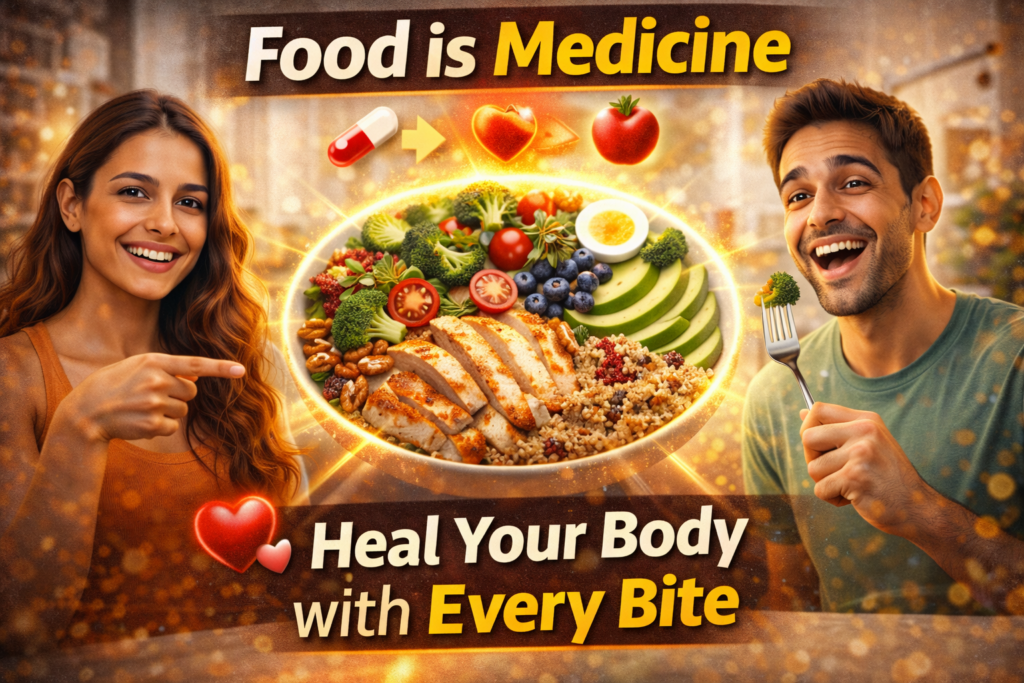
Most people assume medicine comes only from a doctor or a pharmacy. However, the truth of the matter is that the food we eat every day of our lives has the power to heal and protect our bodies. Nutritional foods give us vitamins, minerals, and antioxidants that help build a strong body and give us energy. As soon as we start choosing nutritional foods, every meal becomes an opportunity to build a healthy body.
Why Food Is Considered Medicine
However, food does a lot more than just filling the belly. It provides vitamins, minerals, antioxidants, fiber, and essential nutrients required by the body to function properly.
These nutrients help with:
-
Repairing damaged cells
-
Strengthening the immune system
-
Supporting brain function
-
Maintaining healthy organs
-
Preventing chronic diseases
When your diet consists of nutrient-rich foods, your body has all it needs to be balanced and strong. But when your diet consists of processed foods, too much sugar, and unhealthy fats, your body becomes weak and susceptible to diseases.
This is why many health experts say:
“Let food be your medicine and medicine be your food.”
Small changes in your daily meals can lead to big improvements in your health over time.
The Powerful Nutrients That Heal the Body
Different nutrients play different roles in keeping the body healthy. Understanding them can help you make smarter food choices.
1. Vitamins
Vitamins help the body perform important functions.
For example:
-
Vitamin C supports the immune system
-
Vitamin D helps keep bones strong
-
Vitamin A improves vision and skin health
You can find vitamins in foods like:
-
Citrus fruits
-
Spinach
-
Carrots
-
Eggs
-
Milk
2. Minerals
Minerals help regulate body processes such as muscle movement and nerve function.
Important minerals include:
-
Iron – carries oxygen in the blood
-
Calcium – supports bone strength
-
Magnesium – helps muscles and nerves work properly
Good sources include:
-
Nuts and seeds
-
Whole grains
-
Dairy products
-
Leafy vegetables
3. Antioxidants
Antioxidants protect the body from harmful molecules known as free radicals.
Free radicals can damage cells and contribute to aging and disease.
Foods rich in antioxidants include:
-
Berries
-
Green vegetables
-
Tomatoes
-
Dark chocolate
-
Green tea
Adding antioxidant-rich foods to your diet helps protect your body at the cellular level.
Healing Foods You Should Eat More Often
Certain foods are especially powerful when it comes to improving health. Here are some everyday foods that act like natural medicine.
Leafy Green Vegetables
Leafy greens are among the healthiest foods on the planet.
Examples include:
-
Spinach
-
Kale
-
Lettuce
-
Fenugreek leaves
These vegetables are rich in:
-
Iron
-
Fiber
-
Vitamins A, C, and K
They support digestion, heart health, and immune function.
Fruits
Fruits provide natural sweetness along with vitamins and antioxidants.
Some of the most beneficial fruits include:
-
Apples
-
Bananas
-
Berries
-
Oranges
-
Papaya
Eating fruits daily can improve digestion, boost immunity, and provide steady energy.
Whole Grains
Whole grains provide slow-releasing energy and essential nutrients.
Healthy options include:
-
Brown rice
-
Oats
-
Quinoa
-
Whole wheat
Unlike refined grains, whole grains contain fiber, which helps control blood sugar and supports gut health.
Nuts and Seeds
Nuts and seeds are packed with healthy fats, protein, and important minerals.
Popular choices include:
-
Almonds
-
Walnuts
-
Chia seeds
-
Flaxseeds
-
Pumpkin seeds
Just a small handful per day can support heart health and brain function.
Fermented Foods
Fermented foods contain probiotics, which are beneficial bacteria that support gut health.
Examples include:
-
Yogurt
-
Kefir
-
Kimchi
-
Sauerkraut
A healthy gut improves digestion, immunity, and even mood.
How Poor Diet Affects Your Health
Many health issues that plague people today stem from poor eating habits.
Highly processed foods often contain:
-
Excess sugar
-
Artificial ingredients
-
Unhealthy fats
-
Low nutritional value
Over time, these foods may contribute to issues such as:
-
Obesity
-
Heart disease
-
Type 2 diabetes
-
Low energy levels
-
Digestive problems
The good news is that your body can heal itself if you start feeding it good foods. Even a marginal improvement in your diet can cause dramatic changes in how you feel.
Practical Tips to Use Food as Medicine
Healthy eating does not need to be complicated. Small daily habits can make a big difference.Here are some practical tips you can start today.
1. Eat More Natural Foods
Try to choose foods that are close to their natural form.
For example:
-
Fresh fruits instead of sugary snacks
-
Whole grains instead of refined flour
-
Homemade meals instead of fast food
The less processed your food is, the more nutrients it usually contains.
2. Add Color to Your Plate
Different colored foods contain different nutrients.
A healthy plate should include a variety of colors such as:
-
Green vegetables
-
Red tomatoes
-
Orange carrots
-
Purple berries
This ensures that your body is getting a variety of vitamins and antioxidants.
3. Drink Enough Water
Water is essential for nearly every function in the body.
It helps with:
-
Digestion
-
Detoxification
-
Energy levels
-
Skin health
Most adults should aim to drink 6–8 glasses of water daily.
4. Reduce Added Sugar
Too much sugar can cause low energy levels, weight gain, and other diseases.
Try to limit:
-
Sugary drinks
-
Candy
-
Packaged desserts
-
Sweetened cereals
Instead, satisfy sweet cravings with natural fruits.
5. Eat Slowly and Mindfully
Most people tend to eat their meals too quickly. Eating slowly will allow your body to recognize that it is full.
Simple habits include:
-
Chewing food properly
-
Avoiding distractions while eating
-
Paying attention to hunger signals
Mindful eating improves digestion and helps build a healthier relationship with food.
Simple Daily Meal Ideas for Better Health
If you’re unsure where to start, here are some balanced meal ideas.
Breakfast
-
Oatmeal with fruits and nuts
-
Yogurt with berries
-
Whole grain toast with peanut butter
Lunch
-
Brown rice with vegetables and lentils
-
Whole grain sandwich with salad
-
Vegetable soup with whole grain bread
Dinner
-
Grilled vegetables with quinoa
-
Lentil curry with whole wheat roti
-
Stir-fried vegetables with tofu
These meals provide a balance of protein, fiber, vitamins, and healthy fats.
Conclusion
Healthy eating is one of the simplest ways to take care of your body. By choosing natural, nutrient-rich foods like fruits, vegetables, whole grains, and nuts, you give your body the tools it needs to stay strong and balanced. Small changes in your daily diet can lead to long-term health benefits. Remember, every bite you take can either support your health or harm it—so choose wisely.
Frequently Asked Questions (FAQs)
1. What does “food is medicine” mean?
It means that the foods we eat have nutrients in them that help prevent illness, aid in healing, and help us stay healthy.
2. Can healthy food really prevent diseases?
Yes. A balanced diet rich in fruits, vegetables, whole grains, and healthy fats can lower the risk of many chronic diseases.
3. Which foods are considered the healthiest?
Some of the healthiest foods include leafy greens, berries, nuts, seeds, whole grains, legumes, and fatty fish.
4. How quickly can diet changes improve health?
Some improvements, such as better energy and digestion, can appear within a few weeks of eating healthier.
5. Do I need supplements if I eat healthy foods?
In many cases, a balanced diet provides most nutrients. However, some people may still require supplements depending on their health needs.
6. Is it expensive to eat healthy?
Not necessarily. Simple foods like vegetables, fruits, lentils, rice, and whole grains are often affordable and highly nutritious.
7. How can beginners start eating healthier?
Start with small steps such as adding one fruit daily, reducing sugary drinks, and cooking more meals at home.